
 +232 88 208402

Saint Joseph Technical Institute/Sulmoore Welding (Equipment and Tools Fabricator and Training of Artisans)
Establish Networks and Create Partnerships between Private Companies and Producer Cooperatives (Activity 2.2.1.1)
RATIONALE
Private companies, on the other hand, are businesses that are owned and operated by individuals or groups of individuals. They can provide valuable resources, expertise, and market access to producer cooperatives, which can help them grow and thrive. By establishing partnerships between private companies and producer cooperatives, we can create a win-win situation for both parties.
The purpose of any partnership is to meet goals more effectively than each concerned party could on its own. This is achieved by building complementary strengths and creating positive synergies. Partnerships are built on mutually beneficial relationships that involve trust or legally binding contracts between two or more parties.
The rationale for the public sector to engage in and facilitate partnerships with the private sector is to harness the private sector’s expertise, efficiencies and investment capital, while reducing the costs of delivering private-sector services by providing public goods (such as infrastructure, an enabling environment and seed capital) and sustainability of work at the end of project implementation for the benefit of smallholder farmers.
IMPLEMENTATION
The activity was carried out under Output 2.2.1 that is rice production and post-harvest components in the rice value chain strengthened. RICOWAS project in Sierra Leone will contribute to strengthening the rice value-chain through the establishment of partnerships between various stakeholders involved in the rice sector through the following activities. Activity 1. Stakeholder mapping to identify the relevant private companies and producer cooperatives. Activity 2. Consultative meetings with different networks for creating partnerships between private companies and producer cooperatives and setting up operational Committee and Activity 3. Carry out further Needs Assessment at different project zones. Here are the steps we consider when working towards these goals:
Identify Potential Private Companies
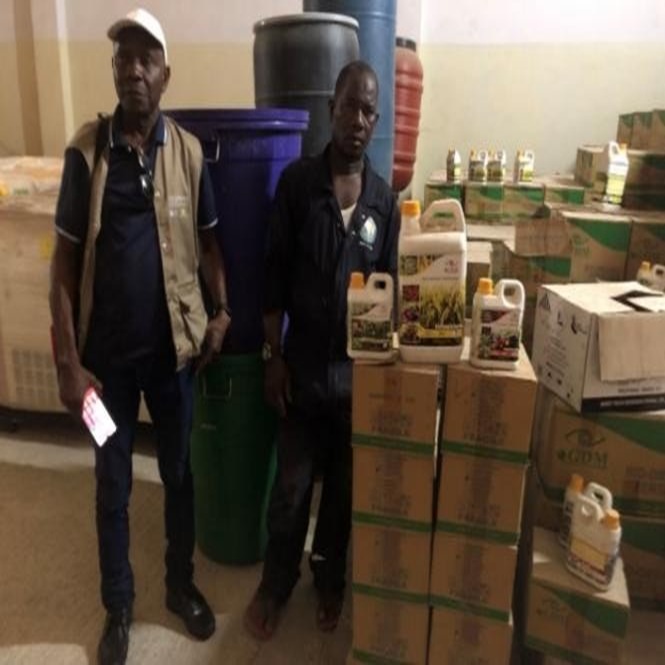
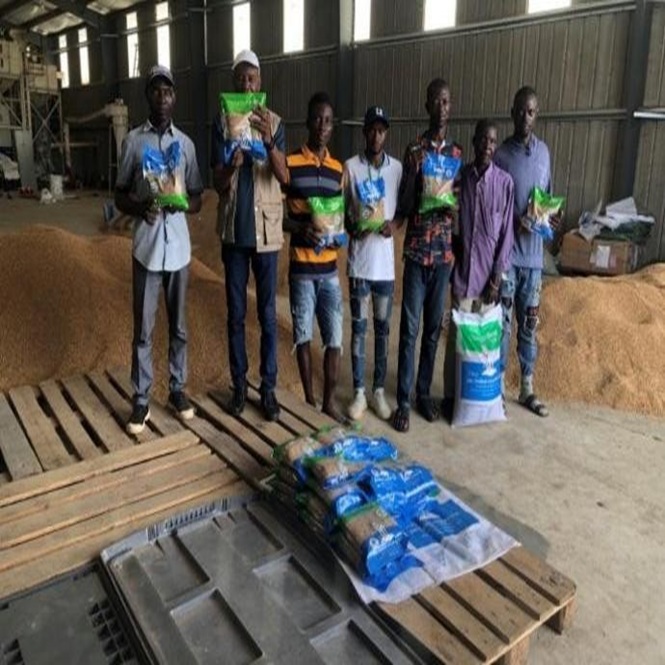
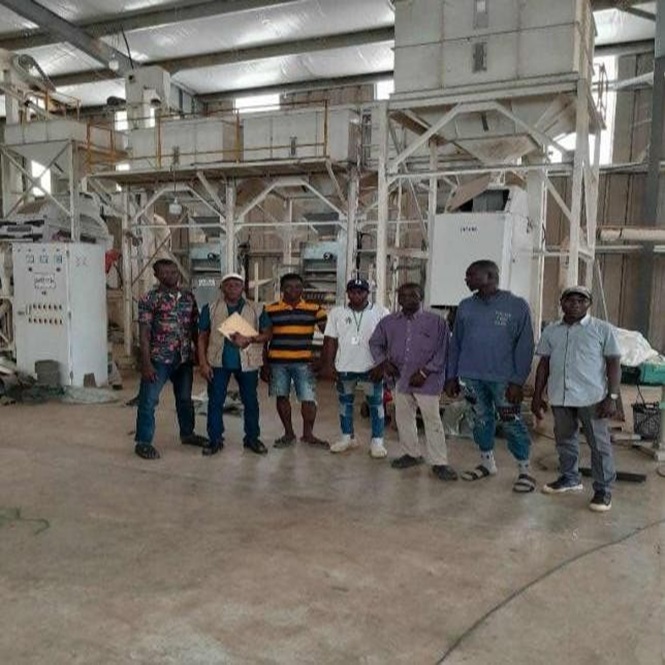
To establish a network of private companies that can partner with producer cooperatives, we conducted research to identify potential private companies that have a proven track record of working with producer cooperatives and have complementary interests, values, and goals. We used various sources such as industry reports, market research, and online databases to identify private companies that operate in the same region as the producer cooperatives and have a similar focus on sustainability, quality, and social responsibility. We identified 20 private companies around the country and 3 out of the 20 met our criteria. The 3 potential private companies were for the: Development and supply of Innovative Agricultural Equipment and their supply to farmers; Threshing, Processing, Packaging and Marketing of climate-resilient rice for vulnerable groups and for the supply of Organic fertilizers and Rice Seeds produced by Smallholder farmers. The team of scientist were able to reach the PPPs through round tours around Project Zones in the country and by having one-on-one meetings with each Private Company and team.
Seed Tech International (Organic Fertilizer and Rice seed producer)

Mountain Lion (Rice Processing, Packaging and Marketing)
Process of identifying Potential Private Companies
To identify Public-Private Partnerships (PPPs) in agriculture, the following processes were followed
Research and Review
We look for existing PPP projects in the agricultural sector. Check government websites, agricultural organizations, and industry publications for information.
Engage Stakeholders
Engage with stakeholders such as farmers, local communities, and relevant organizations to gather input and ensure their needs are considered in the partnership.
Consult Government Agencies
We reach out to government agricultural departments or ministries to inquire about existing or upcoming PPP opportunities in agriculture.
Engage with Agricultural Organizations
We connect with agricultural organizations, cooperatives, and associations that may have information on PPP initiatives in the sector.
Engage with Private Sector Companies:
We reach out to private sector companies operating in the agriculture industry to explore potential partnership opportunities and learn about their experiences with PPPs.
Seek Advice from Experts
Consult with experts in the field of agricultural development, public-private partnerships, or sustainable agriculture to gain insights and guidance on identifying PPP opportunities.
By following these processes and actively engaging with relevant stakeholders, organizations, and resources, we effectively identified and established Public-Private Partnerships in the agriculture sector.
Criteria used to select the three (3) Private Companies retained
When selecting Public-Private Partnerships (PPPs) in agriculture, various criteria are considered to ensure successful collaboration. Here are the criteria used to select PPPs in activity
Alignment with Project Goals
The PPP should align with the agricultural development goals of the government or relevant stakeholders, focusing on areas such as increasing food security, improving productivity, promoting sustainability, or enhancing value chains.
Complementary Strengths
The public and private sector partners should bring complementary strengths and resources to the partnership, such as expertise, technology, funding, infrastructure, or market access.
Clear Objectives and Outcomes
The PPP should have clear and measurable objectives, outlining the desired outcomes, impacts, and benefits for all partners involved.
Sustainability and Long-term Impact
The PPP should focus on creating sustainable solutions that have a long-term positive impact on the agricultural sector, communities, and the environment.
Transparency and Accountability
Transparency in decision-making processes, financial transactions, and performance monitoring is critical to ensure accountability and build trust among partners.
Legal and Regulatory Framework
Compliance with relevant laws, regulations, and policies governing PPPs in agriculture is essential to ensure a smooth and legally sound partnership.
By considering these criteria when selecting PPPs in agriculture, stakeholders can create effective partnerships that drive innovation, promote sustainable development, and improve the overall performance of the agricultural sector.
Reach Out to Private Companies, Facilitate meetings and Connections
Once we had identified potential private companies, we reached out to them through in-person meetings. We introduced the concept of partnering with producer cooperatives and highlighted the benefits of such partnerships, such as access to new markets, increased efficiency, improved product quality, stronger negotiating power, and job creation. We also shared success stories of other private companies that have partnered with producer cooperatives and the positive impact it has had on their businesses and local communities. To facilitate connections between private companies and producer cooperatives, we introduced private companies to producer cooperatives that align with their interests and needs to explore potential partnership opportunities. This was done through networking events, and meetings. We establish and sign a memorandum of understanding (MOU) between RICOWAS and the private companies. The MOUs are annexed in this report.
Establish Formal Agreements
Once the terms and conditions of collaboration are agreed upon, formalize the partnership through a binding agreement called memorandum of understanding (MOU).

The purpose of this MOU is to provide the framework, the scope of work, terms and conditions, and responsibilities of the parties associated with their work on the project. The obligation of the parties is to support farmers until the end of the project and beyond. We established and signed an MOU between RICOWAS/SIERRA LEONE/SLARI and the private companies.
FURTHER NEEDS ASSESSMENT OF FARMERS AT DIFFERENT PROJECT ZONES
To carry out further Needs Assessment, of farmers, we conducted surveys or interviews with rice farmers to gather information on their current challenges, needs, and preferences.
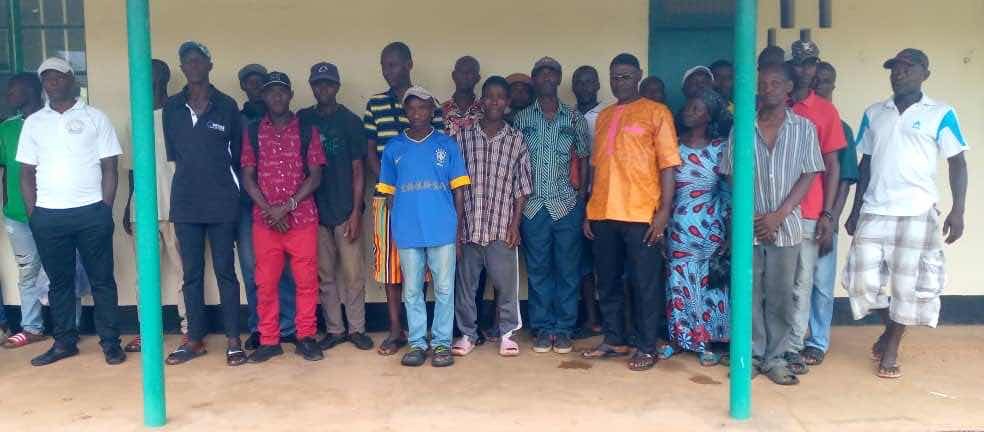
Ask about their farming practices, access to resources, technological needs, training, processing and market challenges to further know the farmers felt needs in term of equipment and tools, organic matter production, rice production, processing and Marketing at different project zones. Also, further did field observations to identify areas for improvement, analysis of production trends to pinpoint inefficiencies, and consultations with agricultural experts at district level to gather insights on best practices at different project zones. By conducting a comprehensive assessment covering these areas, we have gain valuable insights into farmers’ current practices, challenges, and opportunities for improvement. This information can then be used to develop tailored support programs and interventions to help farmers enhance their productivity and livelihoods.
Acknowledgement
I express my deep sense of gratitude to the Acting Director General of SLARI Dr. Abdul R. Conteh and Acting Deputy Director General of SLARI Dr. Isata Kamanda for their technical input towards the successful implementation of this exercise.
I am also thankful to Dr. Adam S. Kanu, Acting Director, Rokupr Agricultural Research Center (RARC), for his relentless support and motivation towards the successful completion of this activity.
I will also like to thank the Sahara and Sahel Observatory (OSS) and the Adaptation Fund (AF) for planning and the provision of funds for the Implementation of this activity.
Special mentions are to be made to SLARI staff for their invaluable and practical scientific inputs throughout the Implementation of this activity.
Related Posts
Baseline and Capacity needs Assessment Studies (Activities 1.2.2.1 and 2.1.2.2)
Executive Summary The development of a baseline study, needs assessment and Knowledge, Attitudes and Practices (KAP) survey in the RICOWAS...
Needs for Technology Dissemination
The needs for technology dissemination are enormous as captured from the survey. From the extension workers perspective, improving extension...