Private companies, on the other hand, are businesses that are owned and operated by individuals or groups of individuals. They can provide valuable resources, expertise, and market access to producer cooperatives, which can help them grow and thrive. By establishing partnerships between private companies and producer cooperatives, we can create a win-win situation for both parties.
The purpose of any partnership is to meet goals more effectively than each concerned party could on its own. This is achieved by building complementary strengths and creating positive synergies. Partnerships are built on mutually beneficial relationships that involve trust or legally binding contracts between two or more parties.
The rationale for the public sector to engage in and facilitate partnerships with the private sector is to harness the private sector’s expertise, efficiencies and investment capital, while reducing the costs of delivering private-sector services by providing public goods (such as infrastructure, an enabling environment and seed capital) and sustainability of work at the end of project implementation for the benefit of smallholder farmers.
IMPLEMENTATION
The activity was carried out under Output 2.1.1. Smallholder rice farmers in the project zones strengthened their livelihoods by reducing production costs and improving rice yields through the adoption of SRI-CRRP.
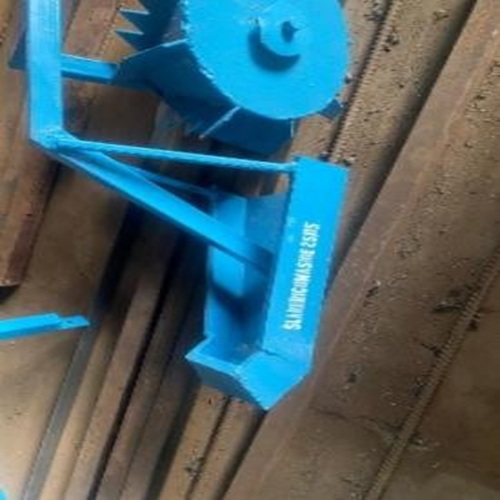
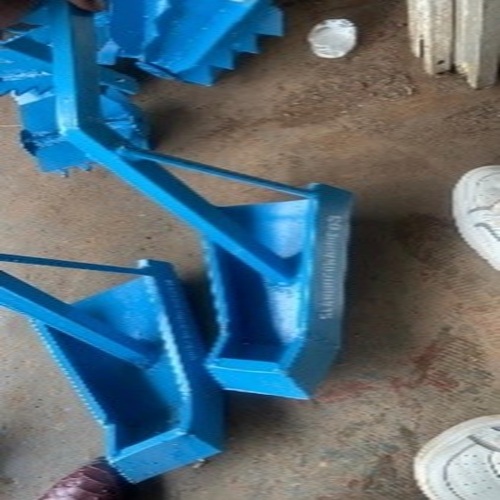
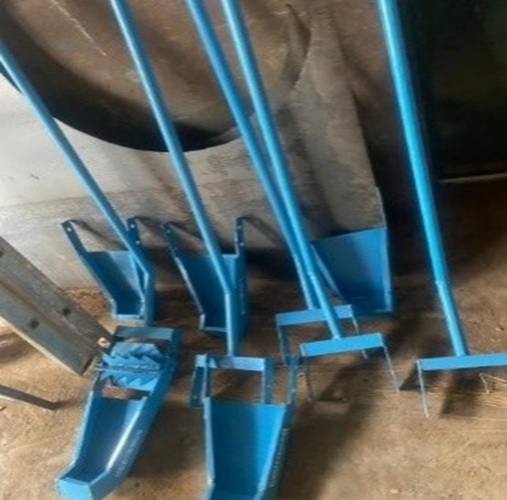
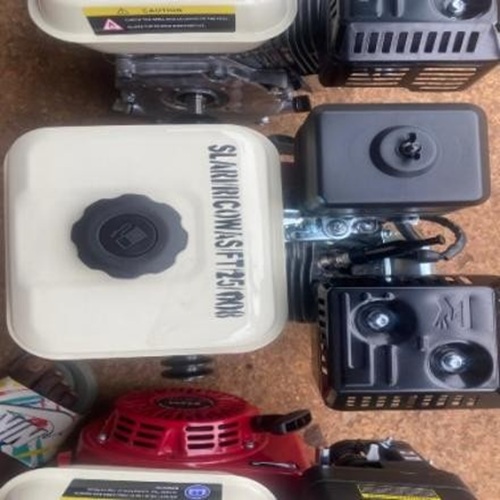
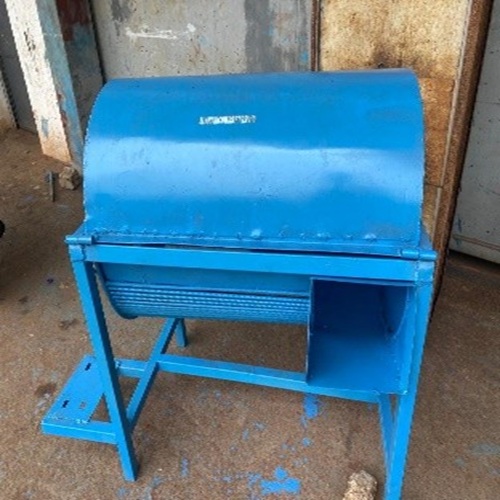
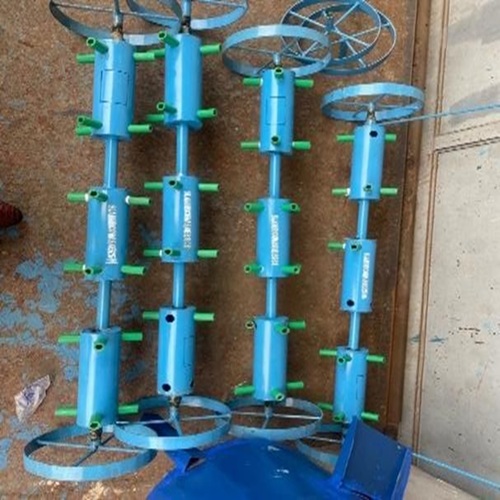
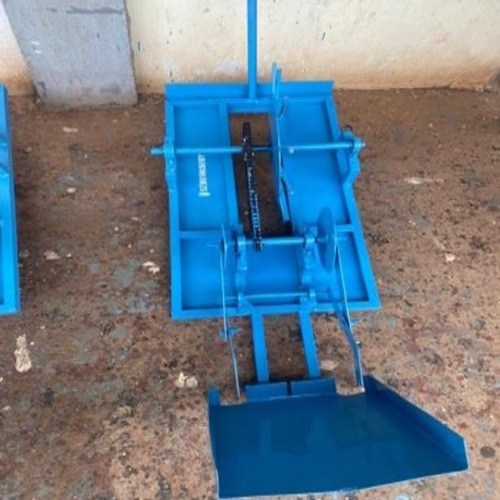
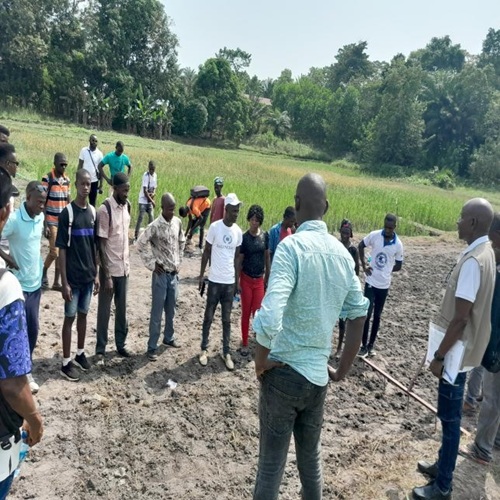
PPP were identified for the supply of equipment and tools – that improve CRRP labor productivity and reduce the drudgery of rice field work were identified and tested under Activity 1.2.1.2. Also, under the same activity, local artisans, mechanics and equipment operators were trained. The project supported cooperatives and farmers to acquire the appropriate equipment such as mechanical weeders, rakes, seeders, and trans-planters.
Furthermore, PPP for threshing, processing, packaging and marketing of climate-resilient rice for vulnerable groups and for the supply of organic fertilizers and rice seeds produced by smallholder farmers were also identified.
This activity (2.1.1.5) under the RICOWAS project has provided farmers access to equipment and tools to implement SRI-CRRP since the SRI method involves a change in practices. For this, it is essential to provide tools to improve labor efficiencies. The following first sets of equipment and tools were fabricated, tested and made available to project zones. such as the mechanical weeders (Mandava and Conor), which facilitate weed control under irrigated or rainfed systems, the SRI direct seeder, parboilers and transplanters amongst others.
It is distributed almost everywhere. The geography of animal husbandry is primarily determined by the place ment of livestock. Cattle. This branch of animal husba ndry is developed in most countries of the world, mainly in the forest, forest-steppe zones of the temperate zone. The largest cattle breeding area in the world is the Argentine pampa. In some parts of the United States, Canada, Australia, large-scale “meat factories” have emerged.
It is distributed almost everywhere. The geography of animal husbandry is primarily determined by the place ment of livestock. Cattle. This branch of animal husba ndry is developed in most countries of the world, mainly in the forest, forest-steppe zones of the temperate zone. The largest cattle breeding area in the world is the Argentine pampa. In some parts of the United States, Canada, Australia, large-scale “meat factories” have emerged.

 +232 88 208402